






The Hejaz Railway Museum, nestled in the historic city of Medina, Saudi Arabia, stands as a testament to the rich and intricate history of the Ottoman Empire. Originally constructed in the early 20th century, the Hejaz Railway was a monumental project that aimed to connect Damascus to Medina, and eventually to Mecca, facilitating the pilgrimage routes while also serving strategic military purposes. The railway was an engineering marvel of its time, symbolizing the technological advancements of the Ottoman Empire and its ambition to unify distant regions under its rule.

During its operational years, the Hejaz Railway played a crucial role in the socio-economic and political landscape of the region. It not only eased the journey for thousands of pilgrims making their way to the holy cities but also bolstered trade and communication between various parts of the empire. However, with the advent of World War I and subsequent political changes, the railway fell into disuse and disrepair, leaving behind a legacy of historical significance and cultural heritage.
Recognizing the importance of preserving this piece of history, extensive restoration efforts were undertaken to transform the old railway station into the Hejaz Railway Museum. These efforts were meticulously planned to maintain the historical integrity of the site while making it accessible and informative for contemporary visitors. Today, the museum stands as a beacon of historical preservation, offering a unique opportunity for visitors to delve into the past and understand the pivotal role the Hejaz Railway played in shaping the region’s history.
The museum’s exhibits and displays are carefully curated to provide an immersive experience, showcasing artifacts, photographs, and documents that narrate the story of the railway’s construction, operation, and eventual decline. Through these exhibits, visitors can gain a deeper appreciation of the historical, cultural, and technological significance of the Hejaz Railway, making the museum a must-visit destination for history enthusiasts and curious travelers alike.
Historical Significance and Exhibits
The Hejaz Railway holds a venerable place in the annals of early 20th-century history. Constructed at the turn of the century, the railway was a monumental project aimed primarily at facilitating the pilgrimage routes to the holy cities of Mecca and Medina. Initiated by the Ottoman Empire under Sultan Abdul Hamid II, the railway spanned from Damascus to Medina, covering approximately 1,300 kilometers. This not only eased the arduous journey for countless pilgrims but also served as a strategic military and economic asset, contributing significantly to the region’s socio-economic development.

Within the Hejaz Railway Museum, visitors can immerse themselves in the rich tapestry of history through a variety of carefully curated exhibits. One of the museum’s highlights is its collection of original train carriages, each telling a unique story of the railway’s operational days. These carriages, which once carried pilgrims and goods across the desert, have been meticulously preserved, offering a tangible connection to the past.
The museum also houses a fascinating array of artifacts that provide deeper insight into the railway’s construction and daily operations. Tools used by the workers, personal belongings of passengers, and original railway equipment are displayed, painting a vivid picture of the era. Photographs and documents further enrich the narrative, capturing moments from the railway’s bustling activity to the serene landscapes it traversed.
One cannot overlook the museum’s extensive collection of historical documents. These include blueprints, correspondence, and administrative records that shed light on the logistical and engineering challenges faced during the railway’s construction. Through these documents, visitors can appreciate the Herculean efforts and ingenuity that went into creating this marvel of early 20th-century engineering.
Overall, the Hejaz Railway Museum offers an in-depth exploration of a significant historical enterprise, providing a comprehensive understanding of its impact on the region and the lives of those who built and traveled on the railway. Each exhibit serves as a poignant reminder of the railway’s pivotal role in shaping the socio-economic fabric of the early 20th century Middle East.
Architectural Features and Restoration Efforts
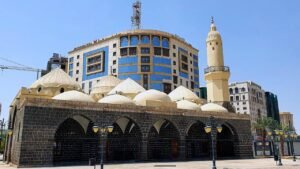
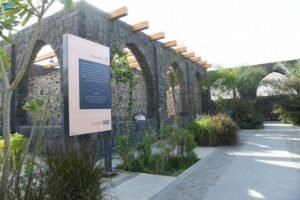
The Hejaz Railway Museum, housed in the historic Ottoman railway station, presents a striking example of Ottoman architecture. The station, built in the early 20th century, showcases distinctive design elements that are synonymous with Ottoman craftsmanship. Visitors are immediately drawn to the intricate tile work that adorns the walls, each tile meticulously hand-painted with geometric patterns and floral motifs. These tiles reflect the rich cultural heritage of the Ottoman Empire, showcasing an art form that has been passed down through generations.

The architectural grandeur is further accentuated by the presence of majestic arches and domes. The arches, with their graceful curves, create a sense of openness and flow within the structure, while the domes, topped with ornate finials, offer a visual feast of symmetry and elegance. These architectural features not only serve an aesthetic purpose but also demonstrate the advanced engineering techniques of the era.
The restoration efforts undertaken to transform the old station into the Hejaz Railway Museum were both meticulous and respectful of its historical significance. Historians and architects collaborated closely to ensure that the original structure was preserved. This involved painstakingly cleaning and restoring the original tile work, repairing damaged arches, and reinforcing the domes to ensure their structural integrity. The restoration process also included the integration of modern amenities to enhance the visitor experience, such as climate control systems and advanced lighting, all carefully concealed to maintain the building’s historical authenticity.
Anecdotes from the restoration team reveal the challenges and triumphs faced during the project. One such story involves the discovery of a hidden room, believed to have been used by the station’s original staff. This room, once forgotten, has now been restored and incorporated into the museum, offering visitors a unique glimpse into the daily operations of the historic railway station.
The architectural features and restoration efforts of the Hejaz Railway Museum not only preserve a significant piece of history but also provide an immersive experience for visitors, allowing them to step back in time and appreciate the grandeur of Ottoman design and engineering.