






Introduction to the Mosque of Al-Ghamamah
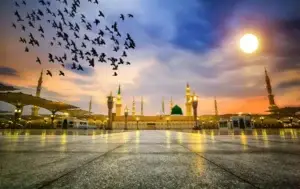
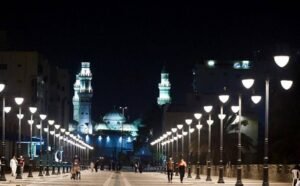
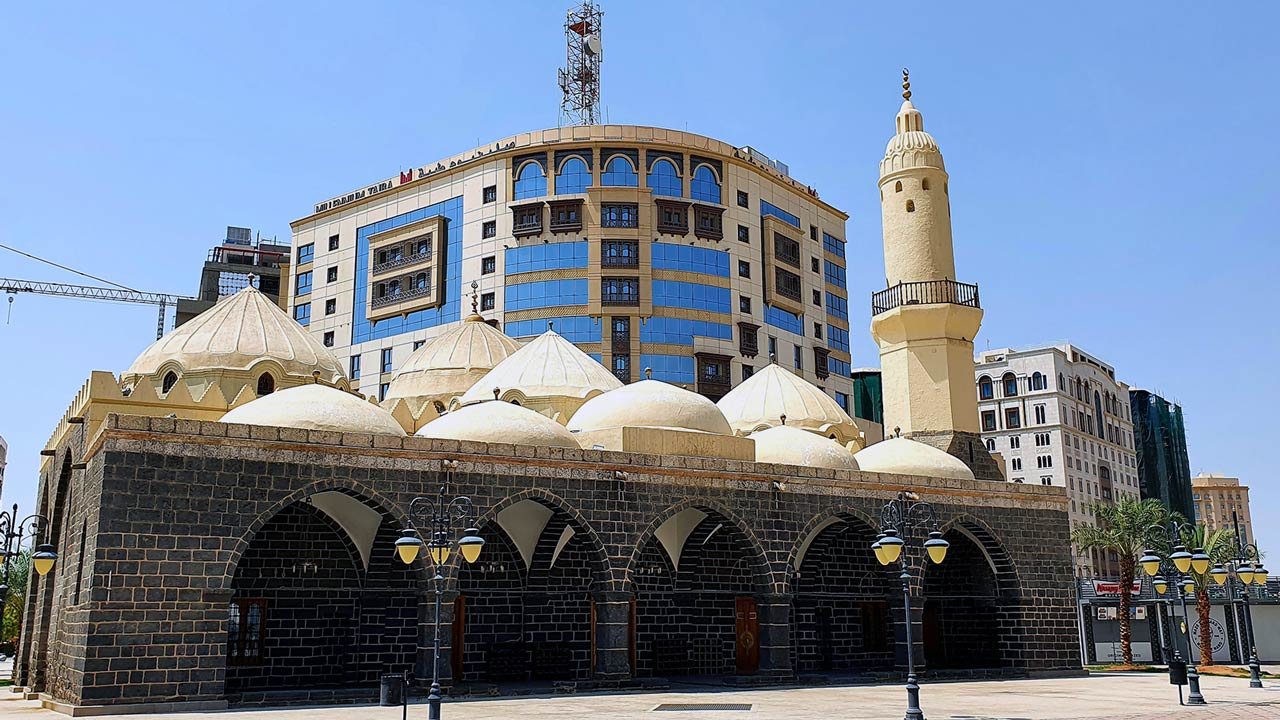
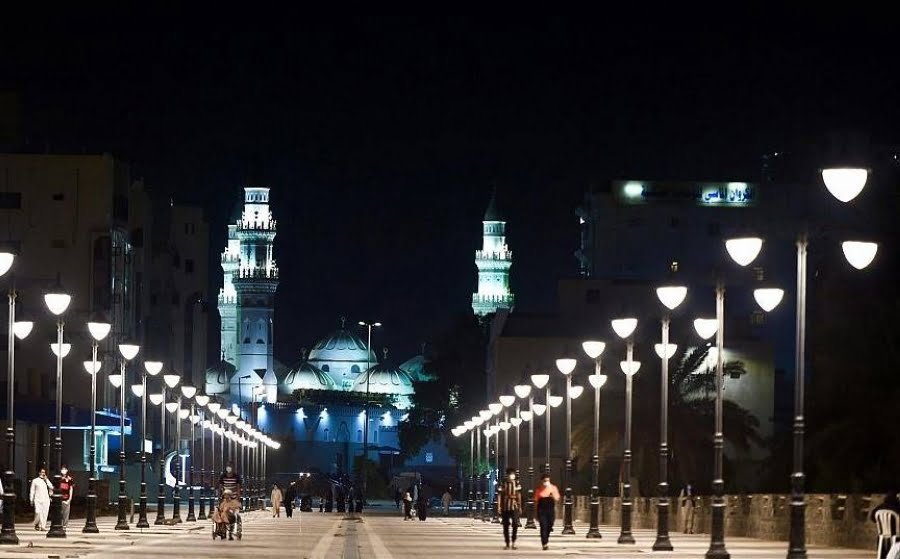
The Mosque of Al-Ghamamah, located in Medina, Saudi Arabia, stands as a significant monument in the Islamic world. Nestled within a city that is home to some of the most revered sites in Islam, this mosque is just a short distance from the Prophet’s Mosque, one of the holiest places for Muslims. The geographic positioning of the Mosque of Al-Ghamamah adds to its historical and spiritual importance, making it a focal point for visitors and pilgrims alike.
Medina, often referred to as the “City of the Prophet,” is a central hub of Islamic heritage. The Mosque of Al-Ghamamah is situated in this sacred city, enveloped by an aura of reverence and sanctity. Its proximity to the Prophet’s Mosque, where Prophet Muhammad is buried, enhances its significance. The two mosques together form an integral part of the spiritual itinerary for those undertaking the pilgrimage to Medina.
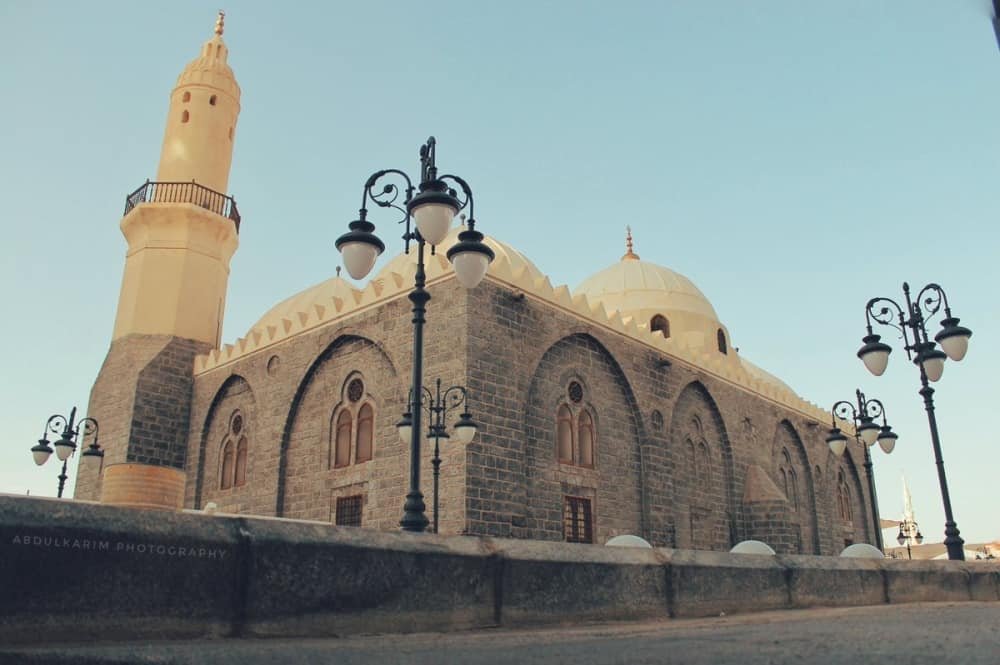
The Mosque of Al-Ghamamah is not just a structure of bricks and mortar; it is a symbol of deep religious and historical value. It is believed that the site of the mosque is where Prophet Muhammad performed Eid prayers, and it is named after an event where a cloud (Al-Ghamamah) provided shade to the Prophet during his sermon. This narrative imbues the mosque with a sense of divine intervention and protection, further elevating its status among the faithful.
For Muslims around the globe, the Mosque of Al-Ghamamah represents more than a place of worship. It is a testament to the rich tapestry of Islamic history and the enduring legacy of the Prophet Muhammad. As such, it holds a special place in the hearts of Muslims, drawing countless visitors who wish to connect with their spiritual heritage and experience the profound historical resonance of this sacred site.
Historical Background and Construction
The Mosque of Al-Ghamamah, located in the holy city of Medina, holds a significant place in Islamic history. Constructed during the early Islamic period, the mosque’s origins are closely tied to the life and times of the Prophet Muhammad (PBUH). The name “Al-Ghamamah” translates to “the cloud,” which is believed to reference an event where a cloud provided shade to the Prophet during a prayer, highlighting the divine connection attributed to this sacred site.
The construction of the Mosque of Al-Ghamamah dates back to the 7th century. It was built under the caliphate of Umar ibn Al-Khattab, the second caliph of Islam, who oversaw many significant developments in Islamic architecture and urban planning. The mosque’s primary purpose was to serve as a place for congregational prayers, particularly during Eid celebrations and other significant religious gatherings.
Key figures in the establishment of the mosque include notable companions of the Prophet Muhammad, who were instrumental in its construction and early use. Their involvement underscores the mosque’s importance within the Islamic community and its role as a spiritual and communal hub.
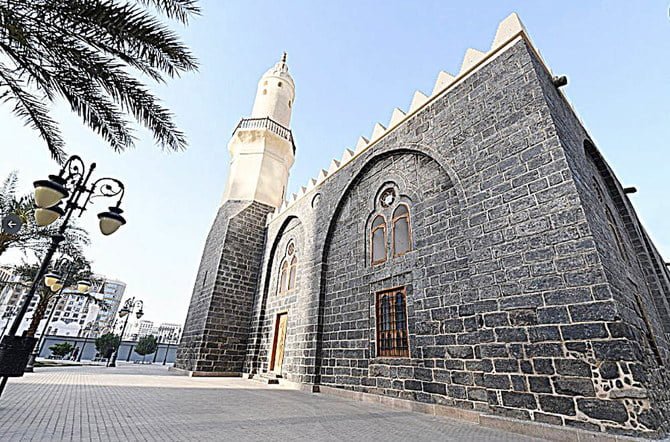
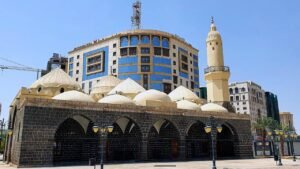
Architecturally, the Mosque of Al-Ghamamah is a fine example of early Islamic design, characterized by its simplicity and functional elegance. The mosque features a rectangular prayer hall with a flat roof supported by columns. One of the unique features of the mosque is its mihrab, a niche indicating the direction of Mecca, which is intricately designed and serves as a focal point for worshippers.
Over the centuries, the mosque has undergone several renovations and restorations to preserve its historical integrity and accommodate the growing number of visitors. Despite these changes, it has retained its original charm and continues to be a revered site for pilgrims and historians alike.
Religious and Cultural Significance
The Mosque of Al-Ghamamah holds a profound place in the religious and cultural tapestry of the Muslim world. Its significance is deeply rooted in the life of the Prophet Muhammad, who is historically known to have prayed at this very site. The mosque’s name, “Al-Ghamamah,” which means “cloud,” is believed to be derived from an event where a cloud provided shade to the Prophet while he delivered a sermon, marking this location as a spiritually sanctified ground.
This mosque is not only a place of individual worship but also serves as a central hub for communal prayers and gatherings. It has historically been a site for significant religious events, including the Eid prayers which see a large congregation of believers coming together to celebrate this essential Islamic festival. The sense of community and shared spirituality during these gatherings underscores the mosque’s integral role in the social life of Muslims in Medina.
The Mosque of Al-Ghamamah also plays a pivotal role during special occasions such as the Islamic New Year, where it becomes a focal point for reflection and renewal of faith. Its walls have witnessed countless prayers, sermons, and religious discourses that have shaped the spiritual lives of many. The cultural traditions associated with this mosque, including storytelling sessions and religious lectures, foster a deep sense of continuity and belonging among the attendees.
Moreover, the mosque’s historical and cultural heritage is revered by pilgrims visiting Medina. They often seek to connect with the profound spiritual experiences associated with this sacred site. The Mosque of Al-Ghamamah thus stands as a testament to the enduring legacy of Islamic traditions and continues to be a beacon of faith and community for Muslims around the world.
Preservation and Modern-Day Relevance
The Mosque of Al-Ghamamah, with its profound historical significance, has not only been a site of religious importance but also a beacon of cultural heritage. Over the years, various efforts have been initiated to ensure its preservation and relevance in modern times. These endeavors range from meticulous restoration projects to comprehensive government initiatives aimed at maintaining the mosque’s structural integrity and historical authenticity.
Restoration projects have played a pivotal role in preserving the Mosque of Al-Ghamamah. These projects often involve expert architects and historians who work diligently to repair and restore the mosque’s original features, ensuring that its historical essence is retained. Advanced technologies are employed to assess the condition of the mosque and implement the necessary preservation measures without compromising its historical value.
Government initiatives have been instrumental in the mosque’s preservation. The Saudi government has allocated significant resources to maintain and restore the Mosque of Al-Ghamamah. These initiatives often include funding for restoration projects, regular maintenance, and the implementation of protective measures to safeguard the mosque from environmental damage. Additionally, there are efforts to educate the public and raise awareness about the mosque’s historical and cultural significance.
Community efforts also contribute significantly to the mosque’s preservation. Local communities, along with religious organizations, actively participate in maintaining the mosque. These efforts include organizing cleaning and maintenance drives, fundraising for restoration projects, and promoting the mosque as a significant site of pilgrimage. Such community-driven initiatives ensure that the mosque remains well-preserved and continues to hold a special place in the hearts of Muslims worldwide.
In contemporary times, the Mosque of Al-Ghamamah continues to be a vital site of pilgrimage. Its historical significance and spiritual ambiance attract thousands of visitors each year. For modern-day Muslims, the mosque represents a connection to their rich historical and religious heritage. Pilgrims visit the mosque to offer prayers, seek spiritual solace, and reflect on the historical events associated with the mosque.
In summary, the preservation efforts and modern-day relevance of the Mosque of Al-Ghamamah highlight its enduring importance. Through a combination of restoration projects, government initiatives, and community efforts, the mosque continues to stand as a symbol of historical and cultural heritage, attracting pilgrims and admirers from around the world.









+ There are no comments
Add yours